
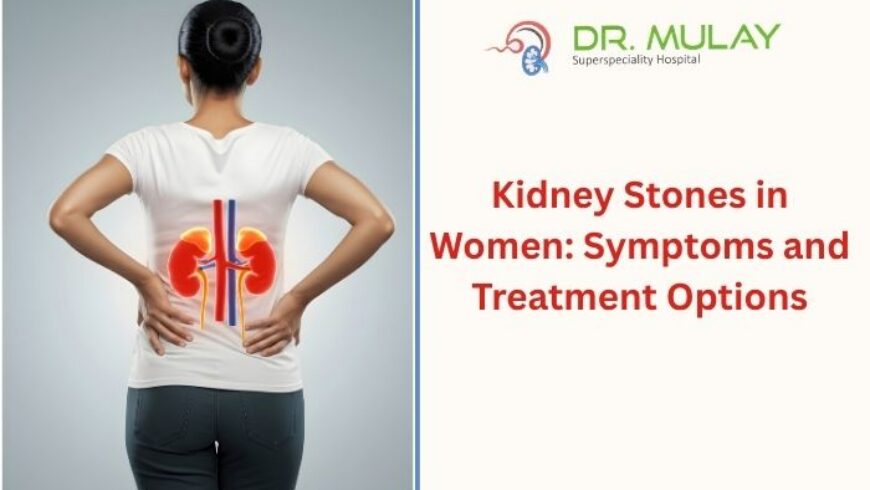
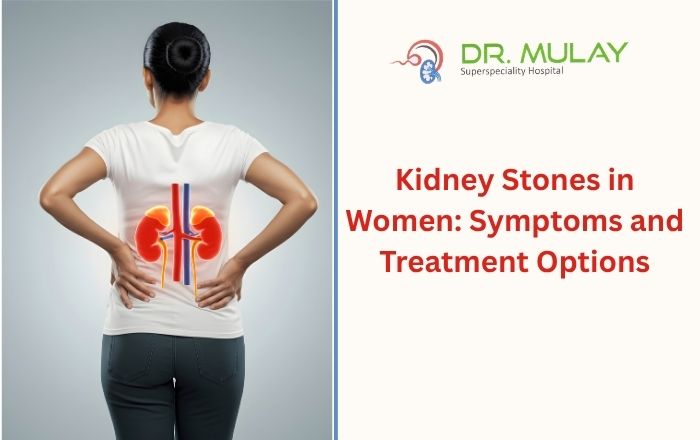
Kidney Stones in Women: Symptoms and Treatment Options
A sudden, sharp pain in the side or lower back can stop you in your tracks. In women, kidney stone pain is sometimes brushed off as period cramps, a urine infection or a gynaecological problem, which can delay the right diagnosis. Knowing how kidney stones in women show up, and what treatment involves, can help you get care sooner.
Here is what to watch for, how stones are diagnosed, and the treatment options available.
What Are Kidney Stones?
Kidney stones are hard deposits of minerals and salts that form inside the kidneys when urine becomes too concentrated. Small stones may pass without symptoms, while larger ones can block the flow of urine and cause severe pain.
Calcium stones are the most common type, while struvite stones are often linked to urinary tract infections.
What Are the Symptoms of Kidney Stones in Women?
The most common symptom is sharp pain in the side or lower back that comes and goes in waves. The pain may move towards the lower abdomen or groin as the stone travels.
The NHS notes that kidney stone pain may spread to the groin or the area around the opening of the vagina. Other symptoms include:
- Pain or burning while passing urine
- A frequent or urgent need to urinate
- Pink, red or brown urine
- Cloudy or bad smelling urine
- Nausea and vomiting
- Fever and chills, if there is an infection
- Passing only small amounts of urine
Why Are Kidney Stones in Women Sometimes Missed?
Kidney stones in women can be missed because their symptoms overlap with other common conditions. Lower abdominal or pelvic pain may feel similar to:
- Period cramps or other menstrual pain
- Urinary tract infections (UTIs), which also cause burning and frequent urination
- Ovarian cysts or other gynaecological conditions
If the pain is severe, one sided, comes in waves or comes with blood in the urine, a kidney stone should be considered. Only proper tests can tell these conditions apart.
What Increases the Risk of Kidney Stones in Women?
Several everyday and medical factors can raise the chance of forming stones:
- Not drinking enough water. Some women drink less to avoid using washrooms at work or while travelling, which keeps urine concentrated.
- Repeated urine infections, which are linked to struvite stones.
- Diet. Too much salt and a high protein, low fibre diet can add to the risk.
- Certain medicines, including some antacids, diuretics and antibiotics.
- Family history or a previous kidney stone.
Our article on foods to eat and avoid with kidney stones explains diet changes in more detail.
Can Kidney Stones Happen During Pregnancy?
Yes, kidney stones can occur during pregnancy, and they need careful handling. Pregnancy brings changes in the urinary system, and stone pain may be confused with other pregnancy related discomfort.
Tests are also chosen differently. The NHS notes that an ultrasound scan is used for pregnant women instead of a CT scan. Severe pain, fever or bleeding during pregnancy always needs urgent medical attention.
How Are Kidney Stones Diagnosed?
Diagnosis is based on your symptoms, an examination and tests that confirm the size and position of the stone.
- Urine tests to check for blood, crystals or infection
- Blood tests to check kidney function and levels of minerals such as calcium
- Ultrasound, often the first scan and the preferred one in pregnancy
- CT scan in adults when more detail is needed
- Stone analysis, if you pass a stone, to find out its type
What Are the Treatment Options for Kidney Stones?
Treatment depends on the size, type and position of the stone, your symptoms, and whether you are pregnant. Many small stones pass on their own, while larger ones may need a procedure.
Medical Management for Small Stones
For small stones, a doctor may advise drinking more fluids, pain relief and sometimes medicines that help the stone pass. You may be asked to collect the stone so it can be tested.
Procedures for Larger Stones
Larger stones, or stones that block urine flow, may need removal. The NIDDK describes these common procedures:
- Shock wave lithotripsy (SWL): shock waves from outside the body break the stone into small pieces that pass in the urine.
- Ureteroscopy: a thin scope is passed through the urethra to find the stone and remove it or break it into smaller pieces.
- Percutaneous nephrolithotomy (PCNL): the stone is removed through a small cut in the back, usually for larger stones.
Your urologist will explain which option suits your situation, along with its benefits and risks.
Preventing Stones From Coming Back
Stones can return, so prevention matters. Drinking enough water through the day, limiting salt and following advice based on your stone type can help. Some women may also need medicines to lower the risk of new stones.
When Should You See a Doctor Urgently?
Seek urgent medical care if you have severe pain along with fever, chills or vomiting, as this can mean a blocked and infected kidney.
Get help quickly if you notice:
- Pain so severe that you cannot find a comfortable position
- Fever, chills or shivering with back or side pain
- Vomiting that stops you from keeping fluids down
- Blood in the urine, or passing very little urine
- Any of these symptoms during pregnancy
Do not wait for such pain to settle on its own. Read more about signs and complications of a kidney infection.
Frequently Asked Questions
1. Is kidney stone pain different in women?
The pain itself is similar in men and women. It usually starts in the side or back and may move to the lower abdomen or groin. In women, it can spread towards the vaginal area and may be mistaken for period pain, a UTI or a gynaecological problem, which is why tests are important.
2. Can a kidney stone cause a urine infection?
Yes. A stone can block or slow the flow of urine, which makes it easier for bacteria to grow. Some stones, called struvite stones, also form because of repeated infections. Fever, chills and burning urine along with back pain need prompt medical attention.
3. Can small kidney stones pass on their own?
Many small stones pass on their own over a few days to weeks with fluids and pain relief. Larger stones, or stones that block urine flow or cause infection, may need a procedure. Your doctor will decide based on the size and position of the stone seen on a scan.
4. How are kidney stones managed during pregnancy?
Kidney stones in pregnancy are managed carefully. Ultrasound is preferred to avoid radiation, and many stones are first treated with fluids and pain relief that is safe in pregnancy. If a procedure is needed, the urologist and obstetrician usually plan it together. Never take painkillers in pregnancy without medical advice.
5. How can women prevent kidney stones from coming back?
Drink enough water through the day so your urine stays pale, limit salt and packaged foods, and include enough calcium in your diet unless advised otherwise. Treat urine infections early. If you have had a stone before, ask your doctor whether stone analysis or urine tests can guide prevention.
Consult a Urologist About Kidney Stone Symptoms
If your symptoms could point to a kidney stone, an early check helps you understand your options. Dr. Abhirudra Mulay, Urologist at Dr. Mulay Superspeciality Hospital, has practised in Hadapsar for over 12 years. The hospital offers kidney stone diagnosis and treatment, along with urology care for women.
Phone: 020 2972 0020
Address: Bhagwan Tatyasaheb Kawade Rd, Bhaskar Colony, Swami Vivekananda Nagar, Lakshmi Nagar, Wanowrie, Pune, Maharashtra 411040
📍 Dr. Mulay Superspeciality Hospital on Google Maps | Book your consultation






No Comments