
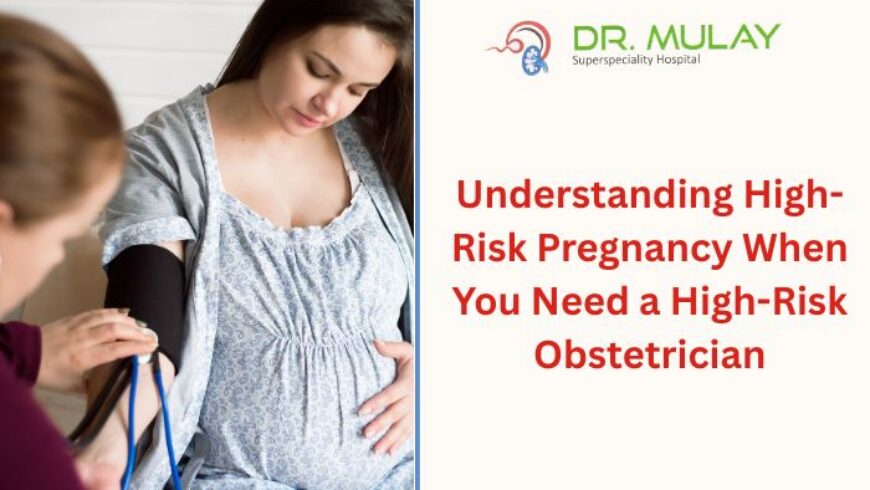
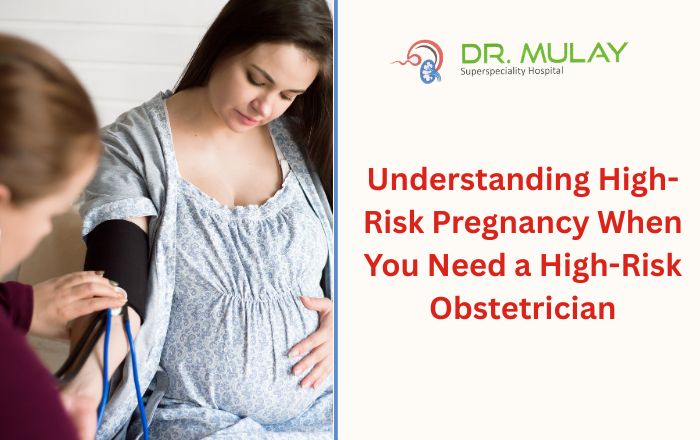
Understanding High-Risk Pregnancy: When You Need a High-Risk Obstetrician
Pregnancy is a joyful journey for most women, but for some, it comes with extra challenges that need special attention. A high-risk pregnancy does not mean something will go wrong—it simply means closer monitoring and expert care can help protect both mother and baby. If you live in or around Hadapsar and have been told your pregnancy is high-risk, knowing when to consult a specialist makes a real difference.
Dr. Pallavi Mulay, a dedicated High-Risk Obstetrics Doctor in Hadapsar, practices at Dr. Mulay Superspeciality Hospital and helps women navigate these pregnancies with skill and compassion. This guide explains high-risk pregnancy in clear, simple terms so you feel informed and supported.
What Is a High-Risk Pregnancy?
A high-risk pregnancy is one in which the health of the mother, baby, or both requires closer medical supervision than a routine pregnancy.
Certain medical conditions, pregnancy-related complications, or lifestyle factors can increase the chances of problems before, during, or after childbirth. Early identification allows your doctor to monitor the pregnancy closely and provide timely treatment whenever needed.
With modern medical care, advanced fetal monitoring, and regular prenatal visits, many high-risk pregnancies can be managed successfully.
Common Causes and Risk Factors for High-Risk Pregnancy
Several factors can increase the risk of pregnancy complications.
Maternal Age
Women younger than 18 or older than 35 may have a higher risk of pregnancy-related complications.
Pre-existing Medical Conditions
Certain health conditions can affect pregnancy, including:
- High blood pressure
- Diabetes
- Thyroid disorders
- Heart disease
- Kidney disease
- Autoimmune disorders
- Obesity
Pregnancy-Related Complications
Some complications develop during pregnancy, such as:
- Gestational diabetes
- Pregnancy-induced hypertension
- Preeclampsia
- Placenta previa
- Placental abruption
- Cervical insufficiency
Multiple Pregnancy
Carrying twins, triplets, or more increases the chances of premature birth and other complications.
Previous Pregnancy Complications
Women who have experienced:
- Recurrent miscarriages
- Preterm delivery
- Stillbirth
- Previous cesarean section with complications
- Birth defects in previous pregnancies
may require specialized monitoring.
Lifestyle Factors
Certain habits can also increase pregnancy risks, including:
- Smoking
- Alcohol consumption
- Drug use
- Poor nutrition
- Lack of prenatal care
Warning Signs You Should Never Ignore During Pregnancy
Every pregnant woman should seek immediate medical attention if she experiences:
- Heavy vaginal bleeding
- Severe abdominal pain
- Persistent severe headaches
- Blurred vision
- Swelling of the face or hands
- Reduced fetal movements
- High fever
- Leakage of fluid from the vagina
- Painful contractions before 37 weeks
- Difficulty breathing
These symptoms may indicate serious pregnancy complications and require urgent evaluation.
When Should You Consult a High-Risk Obstetrician?
- You have diabetes before pregnancy.
- You have chronic hypertension.
- You are expecting twins or multiple babies.
- You have experienced recurrent miscarriages.
- You have thyroid or heart disease.
- You are over 35 years of age.
- Your baby has been diagnosed with a congenital abnormality.
- You have had previous pregnancy complications.
- Your routine pregnancy scan shows abnormalities.
- Your gynecologist recommends specialized care.
Early consultation significantly improves pregnancy outcomes.
Tips for a Healthy High-Risk Pregnancy
Although every pregnancy is unique, these simple steps can help improve outcomes:
- Attend every prenatal appointment.
- Take prescribed medications regularly.
- Eat a balanced and nutritious diet.
- Stay physically active if advised by your doctor.
- Monitor blood pressure or blood sugar if recommended.
- Avoid smoking and alcohol.
- Get adequate rest.
- Report any unusual symptoms immediately.
- Stay positive and follow your doctor’s guidance.
Close medical supervision greatly improves the chances of a healthy pregnancy.
Frequently Asked Questions
1. What makes a pregnancy high-risk?
A pregnancy is considered high-risk when the mother, baby, or both have an increased chance of developing complications due to medical conditions, age, pregnancy-related issues, or previous pregnancy history.
2. Can a high-risk pregnancy result in a healthy baby?
Yes. With early diagnosis, regular monitoring, and proper medical care from a High-Risk Pregnancy , many women have safe pregnancies and healthy babies.
3. How often will I need check-ups during a high-risk pregnancy?
The frequency depends on your condition. Some women may need more frequent prenatal visits, ultrasounds, and fetal monitoring than those with low-risk pregnancies.
4. Is bed rest necessary for every high-risk pregnancy?
No. Bed rest is recommended only in specific situations. Your doctor will advise the best activity level based on your medical condition.
Book Your Consultation with Dr. Pallavi Mulay
A high-risk pregnancy requires expert care, regular monitoring, and timely medical intervention to ensure the best possible outcome for both mother and baby. Early diagnosis and specialized care can significantly reduce complications and provide reassurance throughout your pregnancy journey.
High-risk pregnancy or has concerns about pregnancy-related complications, schedule a consultation with Dr. Pallavi Mulay, an experienced High-Risk Obstetrician in Hadapsar, at Dr. Mulay Superspeciality Hospital.




No Comments