
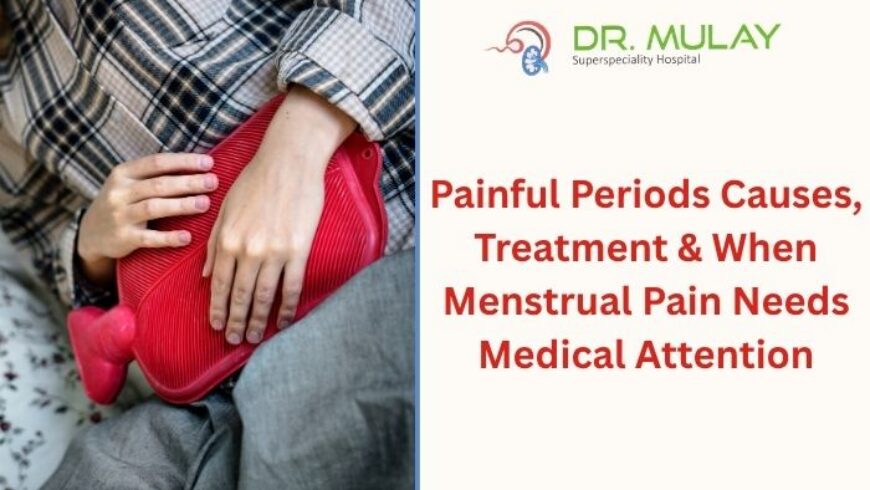
Painful Periods: Causes, Treatment & When Menstrual Pain Needs Medical Attention
Menstrual periods are a natural part of a woman’s reproductive health, but for many women, periods come with severe pain, discomfort, and disruption to daily life. While mild cramps during menstruation are common, severe or persistent period pain should not always be considered normal. Painful periods, medically known as dysmenorrhea, can sometimes indicate an underlying health condition that requires proper evaluation and treatment.
Understanding the causes, symptoms, treatment options, and warning signs of painful periods can help women seek timely medical attention and improve their quality of life.
What Are Painful Periods (Dysmenorrhea)?
Painful periods refer to cramps and discomfort experienced before or during menstruation. The pain usually occurs in the lower abdomen and may spread to the lower back, hips, or thighs.
Some women experience mild cramps that improve with simple home care, while others may have intense pain that affects work, studies, sleep, and daily activities.
Period pain can be classified into two main types:
1. Primary Dysmenorrhea
Primary dysmenorrhea is menstrual pain that occurs without any underlying pelvic disease. It is commonly seen in teenagers and young women, especially during the first few years after starting menstruation.
During periods, the uterus contracts to help shed its lining. These contractions are triggered by chemicals called prostaglandins. Higher levels of prostaglandins can cause stronger contractions, leading to increased pain.
2. Secondary Dysmenorrhea
Secondary dysmenorrhea occurs due to an underlying medical condition affecting the reproductive organs. It may develop later in life and can gradually become more severe.
Common causes include:
- Endometriosis
- Uterine fibroids
- Adenomyosis
- Pelvic infections
- Ovarian cysts
- Uterine abnormalities
- Cervical narrowing
Identifying the exact cause is important because treatment depends on the underlying condition.
Common Symptoms of Painful Periods
Women with painful periods may experience:
- Severe lower abdominal cramps
- Back pain
- Pelvic pain
- Pain spreading to thighs
- Nausea or vomiting
- Headaches
- Dizziness
- Fatigue
- Diarrhea
- Mood changes
- Difficulty performing daily activities
If menstrual pain repeatedly interferes with your normal routine, it is important to consult a gynaecologist.
Causes of Severe Menstrual Pain
1. Endometriosis
Endometriosis is a condition where tissue similar to the uterine lining grows outside the uterus. This can cause inflammation, pelvic pain, painful periods, and sometimes fertility problems.
Women with endometriosis may experience:
- Severe period cramps
- Pain during intercourse
- Pain while passing stools or urinating during periods
- Difficulty conceiving
2. Uterine Fibroids
Fibroids are non-cancerous growths that develop in or around the uterus. Depending on their size and location, they can cause:
- Heavy menstrual bleeding
- Pelvic pressure
- Longer periods
- Increased menstrual pain
3. Adenomyosis
Adenomyosis occurs when the inner lining of the uterus grows into the muscular wall of the uterus. It can lead to:
- Painful periods
- Heavy bleeding
- Uterine enlargement
- Pelvic discomfort
4. Pelvic Infections
Certain infections affecting the reproductive organs can cause pelvic pain and discomfort, especially if left untreated.
5. Hormonal Imbalance
Changes in hormone levels can affect menstrual cycles and may contribute to irregular periods, heavy bleeding, and increased cramps.
When Should You Seek Medical Attention for Period Pain?
Many women tolerate period pain thinking it is normal. However, medical evaluation is recommended if you experience:
- Period pain that stops you from attending work, school, or daily activities
- Severe cramps that do not improve with usual pain relief methods
- Increasing pain with every menstrual cycle
- Very heavy bleeding or passing large clots
- Irregular periods with severe pain
- Pain during sexual intercourse
- Difficulty getting pregnant
- New or unusual menstrual pain after years of normal periods
Early diagnosis can help identify the cause and provide appropriate treatment.
Treatment Options for Painful Periods
Treatment depends on the cause, severity of symptoms, age, and overall health.
Lifestyle Changes
Certain habits may help reduce menstrual discomfort:
- Regular physical activity
- Maintaining a healthy weight
- Adequate sleep
- Stress management
- Applying heat therapy to the lower abdomen
- Staying hydrated
Can Painful Periods Affect Fertility?
Painful periods do not always mean fertility problems. However, conditions like endometriosis, fibroids, or certain pelvic disorders may affect fertility if not diagnosed and managed properly.
Women experiencing severe menstrual pain along with difficulty conceiving should consult a fertility specialist or gynaecologist for evaluation.
Preventing Period Pain and Improving Menstrual Health
While all menstrual pain cannot always be prevented, maintaining good reproductive health can help:
- Track your menstrual cycle
- Do regular health check-ups
- Maintain a balanced diet
- Exercise regularly
- Avoid ignoring persistent symptoms
- Seek medical advice for unusual changes
Your menstrual pain is a health concern worth discussing. You do not have to accept severe pain as a normal part of every cycle.
Frequently Asked Questions
1. Is severe period pain normal?
Mild cramps are common during menstruation, but severe pain that affects daily activities should be evaluated by a gynaecologist.
2. What is the main cause of painful periods?
Painful periods can occur due to increased prostaglandin activity causing stronger uterine contractions. In some women, conditions like endometriosis, fibroids, or adenomyosis may be responsible.
3. When should I see a doctor for period pain?
You should consult a doctor if your pain is severe, worsening over time, affects daily life, occurs with heavy bleeding, or is associated with fertility concerns.
4. Can painful periods be treated permanently?
Treatment depends on the underlying cause. Many women experience significant improvement with the right diagnosis and treatment plan.
Dr. Pallavi A. Mulay at Dr. Mulay Superspeciality Hospital in Hadapsar provides expert gynaecological care with a focus on women’s health, menstrual problems, and advanced treatment approaches.
📍 Dr. Mulay Superspeciality Hospital in Hadapsar
Visit: https://drmulayhospital.com/
Book your consultation today and take the first step towards better menstrual health and a pain-free lifestyle.


No Comments