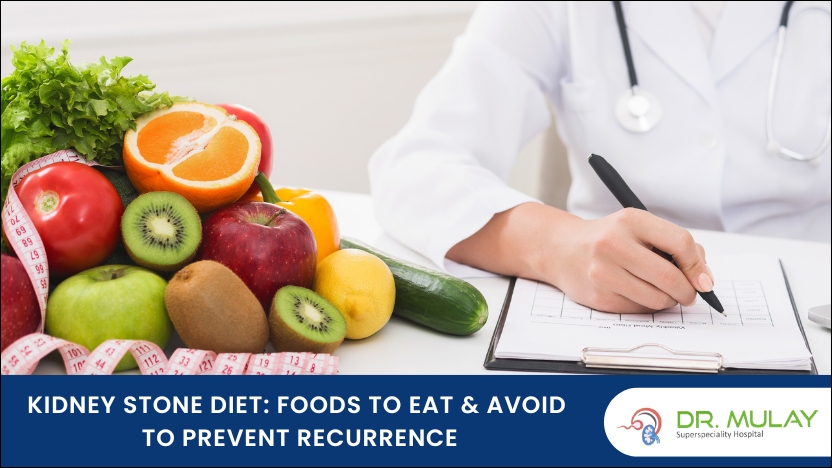
Kidney Stone Diet: Foods to Eat & Avoid to Prevent Recurrence
Kidney stones are not just a painful experience—they’re often a sign that your diet and hydration habits need attention. While medical treatment is essential during an acute episode, long-term prevention largely depends on what you eat and drink. Research shows that dietary changes alone can reduce the risk of recurrence by over 50%.
Understanding Kidney Stones
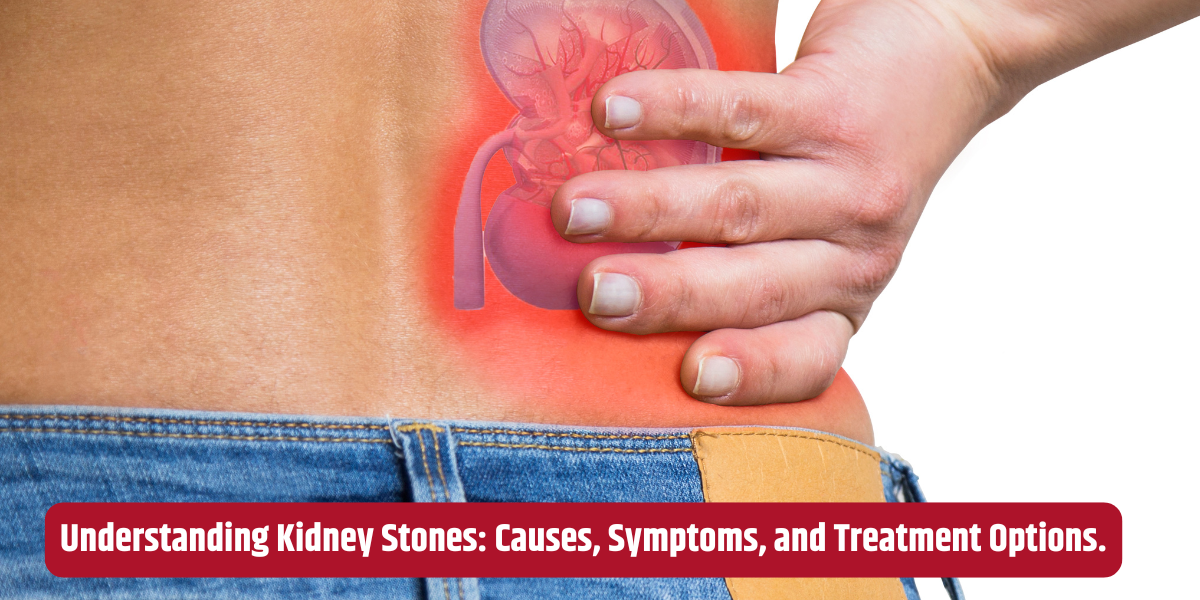
Kidney stones form when certain minerals in your urine become highly concentrated, crystallizing into hard deposits. The most common type is calcium oxalate stones, but others include uric acid, struvite, and cystine stones. Factors like dehydration, high-sodium diets, genetic predisposition, and specific medical conditions can increase your risk. While some factors are out of your control, your daily diet is a powerful tool you can use to protect your kidneys.
The Golden Rule: Hydration is Key
Before diving into specific foods, the single most important dietary habit is drinking plenty of water. Aim for 2.5 to 3 liters of fluid per day, unless otherwise advised by your doctor. This dilutes the substances in urine that lead to stones. Your urine should be light yellow or clear—a simple and effective indicator of proper hydration.
Foods to Eat: Your Prevention Power List
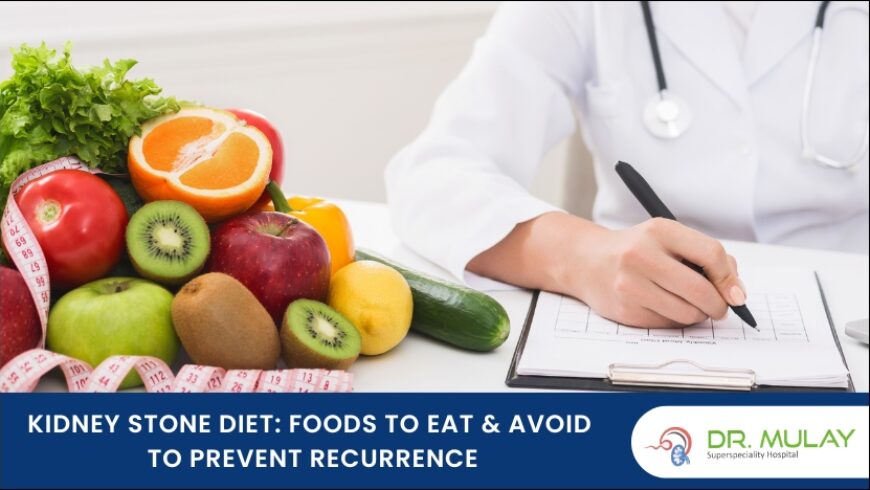
Incorporate these kidney-friendly foods into your daily routine:
1. Citrus Fruits (Lemons, Oranges, Limes)
Citrus fruits are rich in citrate, a natural inhibitor of kidney stone formation. Citrate binds with calcium in the urine, preventing it from crystallizing with oxalate. Start your day with a glass of warm water and fresh lemon juice.
2. Calcium-Rich Foods (Dairy, Leafy Greens, Fortified Plant Milks)
Contrary to outdated advice, getting adequate dietary calcium (from food, not supplements) is protective. It binds to oxalate in your gut, preventing its absorption and subsequent excretion through the kidneys. Include moderate portions of milk, yogurt, cheese, bok choy, or broccoli.
3. High-Fiber Fruits & Vegetables
Fiber helps regulate mineral absorption and supports a healthy gut, which can influence oxalate processing. Enjoy berries, apples, pears, carrots, and bell peppers. They also contribute to your overall fluid intake.
4. Whole Grains
Opt for oats, quinoa, and barley over refined grains. They provide magnesium and fiber, which can help reduce oxalate levels.
5. Plant-Based Proteins (Lentils, Beans, Tofu)
In moderate amounts, these are excellent alternatives to animal proteins, which can increase uric acid and calcium in urine.
6. Water-Rich Foods
Cucumber, watermelon, celery, and zucchini boost hydration and provide valuable nutrients with low oxalate content.
Foods to Limit or Avoid
Knowing what to limit is just as crucial as knowing what to add.
1. High-Oxalate Foods (in Excess)
If you form calcium oxalate stones, be mindful of: spinach, rhubarb, almonds, cashews, beetroot, sweet potatoes, and soy products. Note: You don’t need to eliminate these healthy foods entirely. Pairing them with calcium-rich foods during the same meal (e.g., spinach with cheese) can neutralize the risk.
2. Excess Sodium (Salt)
High sodium intake increases calcium excretion in urine. Avoid processed foods, canned soups, packaged snacks, and restaurant meals. Season with herbs and spices instead of salt.
3. Animal Protein (Overconsumption)
High intake of red meat, poultry, eggs, and seafood can increase uric acid and lower urinary citrate. Limit portions and try having several “plant-based” days each week.
4. Added Sugar (Especially Fructose)
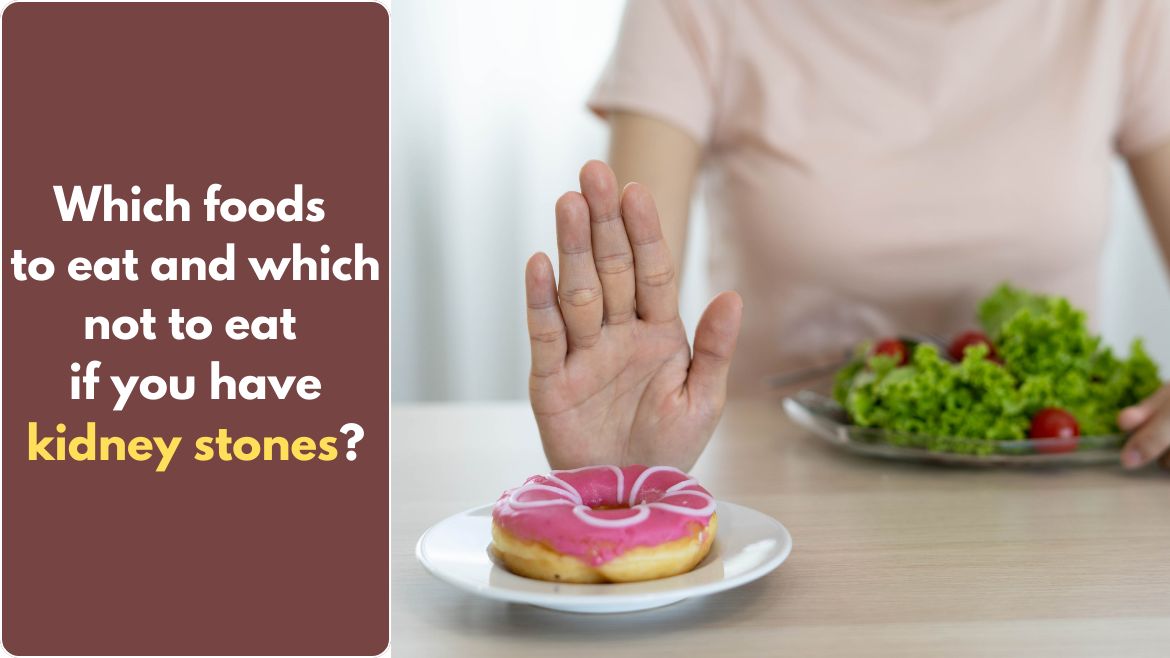
Sugary sodas, juices, and sweets can increase calcium, oxalate, and uric acid in urine. Avoid sugar-sweetened beverages entirely.
5. Vitamin C Supplements in High Doses
Megadoses (over 1000mg/day) can be converted to oxalate in the body. Get your vitamin C from food, not high-dose supplements.
6. Colas and Dark Sodas
These often contain phosphoric acid and fructose, which can promote stone risk. Stick to water, herbal teas, or citrus-infused water.
Sample One-Day Kidney-Stone-Preventive Meal Plan
- Breakfast: Oatmeal with milk (or calcium-fortified plant milk) topped with blueberries and a sprinkle of chia seeds. A glass of lemon water.
- Lunch: Lentil soup with a side salad (mixed greens, cucumber, bell peppers) with a yogurt-based dressing. One whole-grain roll.
- Snack: An apple and a small handful of pumpkin seeds (low in oxalate).
- Dinner: Grilled chicken breast (palm-sized portion) with quinoa and steamed broccoli. A side of watermelon.
- Fluids Throughout the Day: Water, herbal tea.
Lifestyle Synergy: Diet Isn’t Everything
Pair your dietary changes with regular physical activity to maintain a healthy weight, as obesity is a risk factor for stones. Manage stress and have regular follow-ups with your healthcare provider to monitor your kidney health.
When to See a Kidney Stone Specialist?
If you have a history of kidney stones, or experience severe pain, blood in urine, or fever, seek immediate medical attention. A specialist can analyze your stone type and urine chemistry to provide a personalized diet plan that addresses your specific metabolic profile.
Seeking expert care for Kidney Stone, Dr. Abhirudra Mulay at Dr. Mulay Superspeciality Hospital in Hadapsar is a renowned Kidney Stone Specialist in Hadapsar, Pune. With extensive experience in minimally invasive stone treatment and metabolic prevention strategies.