
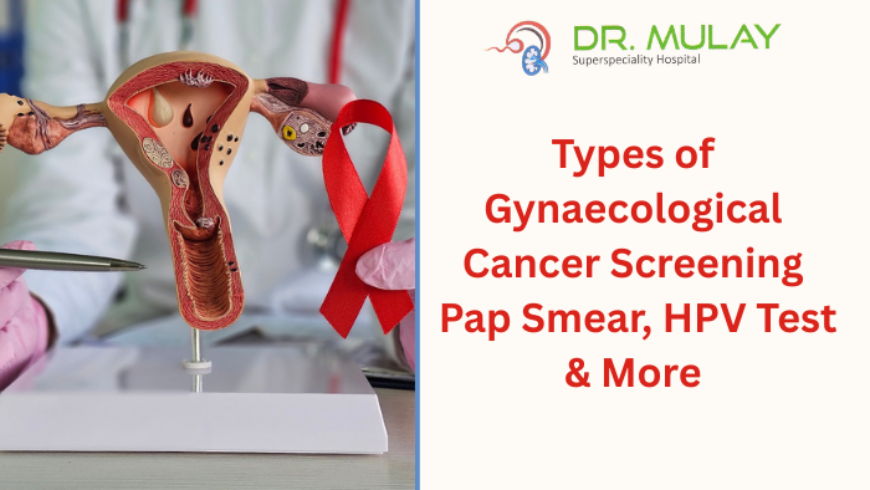
Types of Gynaecological Cancer Screening: Pap Smear, HPV Test & More
Every year, thousands of women are diagnosed with gynaecological cancers — yet many of these cases could be detected early through regular screening. The good news? Simple tests like the Pap smear and HPV test can identify abnormal changes long before cancer develops.
According to the World Health Organization, cervical cancer remains one of the most preventable cancers when detected early through routine screening. Despite this, many women delay testing because they are unsure about which screening they need, when to start, or what the process involves.
What Is Gynaecological Cancer Screening?
Gynaecological cancer screening refers to medical tests used to detect cancers affecting the female reproductive system. These include cervical cancer, ovarian cancer, uterine cancer, vaginal cancer, and vulvar cancer.
The goal of screening is to identify abnormal or precancerous cells early, often before symptoms appear. Early detection significantly increases the chances of successful treatment and recovery.
Some screening tests are part of routine women’s healthcare, while others may be recommended based on age, symptoms, or family history.
Why Early Detection Matters
Many gynaecological cancers develop slowly and may not show obvious symptoms in the early stages. This is why routine screening is so important.
According to global health studies, cervical cancer is one of the most preventable cancers when detected early through regular Pap smears and HPV testing. Women diagnosed at an early stage often have much higher survival rates compared to those diagnosed later.
Regular screening can help:
- Detect abnormal cells before they turn cancerous
- Identify infections linked to cancer risk
- Improve treatment outcomes
- Reduce complications and healthcare costs
1. Pap Smear Test (Pap Test)
The Pap smear is one of the most common and effective screening tests for cervical cancer.
During the procedure, a healthcare provider collects a small sample of cells from the cervix. These cells are then examined in a laboratory to check for abnormal or precancerous changes.
2. HPV Test
The HPV test checks for the presence of high-risk types of Human Papillomavirus (HPV), a major cause of cervical cancer.
HPV is a very common viral infection, and while many infections clear on their own, some high-risk strains can lead to cancer over time.
3. Pelvic Examination
A pelvic examination is a routine physical check-up of the female reproductive organs.
During the exam, the doctor examines the uterus, ovaries, cervix, and vagina for abnormalities such as lumps, swelling, or unusual changes.
Although a pelvic exam alone cannot diagnose cancer, it can help detect warning signs that may require further investigation.
4. Colposcopy
A colposcopy is a more detailed examination of the cervix performed after abnormal Pap smear or HPV test results.
The doctor uses a special magnifying device called a colposcope to closely examine cervical tissues.
5. Endometrial Biopsy
An endometrial biopsy is used to check for abnormalities or cancer in the lining of the uterus (endometrium).
This test may be recommended for women experiencing:
- Abnormal vaginal bleeding
- Bleeding after menopause
- Irregular menstrual cycles
During the procedure, a small sample of uterine tissue is collected and analyzed in a laboratory.
6. Transvaginal Ultrasound (TVUS)
A transvaginal ultrasound uses sound waves to create images of the uterus, ovaries, and surrounding organs.
This imaging test can help detect:
- Ovarian cysts
- Tumors
- Uterine abnormalities
- Thickened uterine lining
TVUS is often used alongside other tests, especially in women with symptoms or higher cancer risk.
7. CA-125 Blood Test
The CA-125 blood test measures a protein that may be elevated in women with ovarian cancer.
However, elevated CA-125 levels can also occur due to non-cancerous conditions, so this test is not used alone to diagnose cancer.
Doctors may recommend the CA-125 test for:
- Women at high risk of ovarian cancer
- Monitoring treatment progress
- Detecting recurrence after treatment
Signs You Should Never Ignore
While screening is important even without symptoms, certain warning signs should never be ignored.
These include:
- Unusual vaginal bleeding
- Persistent pelvic pain
- Pain during intercourse
- Unexplained bloating
- Abnormal vaginal discharge
If you experience any of these symptoms, consult a gynaecologist promptly.
Are Gynaecological Cancer Screening Tests Safe?
Yes, most screening tests are safe, quick, and minimally invasive. While some women may feel embarrassed or anxious before the appointment, these procedures are routine and performed by trained healthcare professionals.
Take Charge of Your Health Today
Gynaecological cancer screening is one of the most important steps women can take to protect their long-term health. Tests such as Pap smears, HPV testing, pelvic exams, and ultrasounds can help detect problems early – often before they become serious.
For expert guidance, timely diagnosis, and preventive women’s healthcare, consider consulting Dr. Mulay Superspeciality Hospital.
If you are due for a routine screening or experiencing unusual symptoms, visit Dr. Mulay Superspeciality Hospital Hadapsar for advanced gynaecology care and comprehensive cancer screening services.
Frequently Asked Questions
1. What is the best screening test for cervical cancer?
The Pap smear and HPV test are considered the most effective methods for early cervical cancer detection.
2. How often should women get screened?
Screening frequency depends on age, medical history, and previous test results. Your doctor can recommend the right schedule.
3. Is HPV testing necessary?
Yes, HPV testing helps identify high-risk infections linked to cervical cancer.
4. Are these tests painful?
Most screening procedures cause only mild discomfort and are completed quickly.












No Comments