
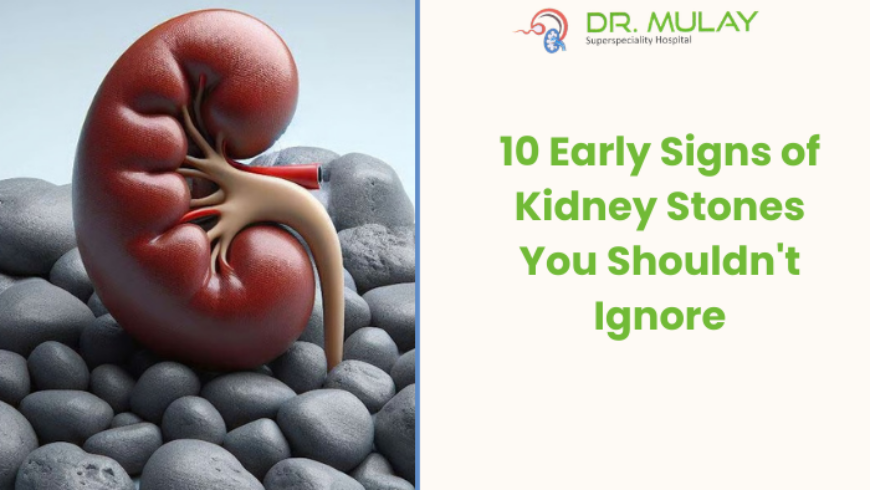
10 Early Signs of Kidney Stones You Shouldn’t Ignore
Kidney stones are a common yet extremely uncomfortable health condition that can disrupt your daily life without warning. These hard mineral deposits form inside the kidneys when certain substances in the urine become highly concentrated and crystallize. While some stones are small enough to pass naturally, others can cause severe pain and complications if not detected early.
Recognizing the warning signs can help you seek medical care in time and prevent the condition from worsening. Here are ten early signs of kidney stones you should never ignore.
1. Persistent Pain in the Lower Back or Side
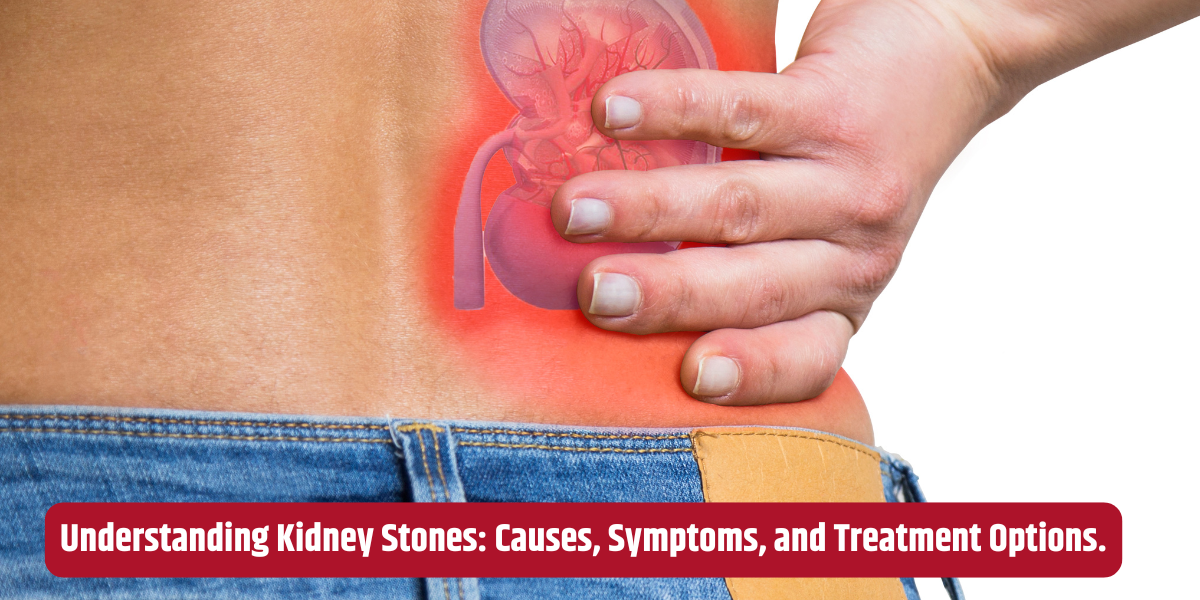
One of the earliest and most noticeable symptoms is a sharp or dull pain in the lower back, usually on one side. This discomfort may start mildly but can intensify as the stone moves within the urinary tract. Many people mistake it for muscle strain, delaying proper diagnosis.
2. Pain That Comes in Waves
Kidney stone pain is often unpredictable. Instead of staying constant, it tends to come in waves and fluctuate in intensity. You might feel fine one moment and experience sudden, severe pain the next. This pattern occurs because the ureter contracts while trying to push the stone out.
3. Burning Sensation During Urination
If you feel a burning or stinging sensation while urinating, it could indicate that a stone has reached the lower part of the urinary tract. This symptom is frequently confused with a urinary infection, but when paired with other signs, it may point toward kidney stones.
4. Frequent Urge to Urinate
Do you feel the need to visit the bathroom more often than usual, even when little urine comes out? Stones can irritate the lining of the urinary tract, triggering a constant urge to urinate. This symptom becomes more noticeable as the stone travels closer to the bladder.
5. Cloudy or Foul-Smelling Urine
Healthy urine typically has a mild odor and clear appearance. When it looks cloudy or has a strong, unpleasant smell, it may signal the presence of minerals, bacteria, or infection associated with kidney stones. Ignoring this sign could lead to further complications.
6. Blood in the Urine
Seeing pink, red, or brown urine can be alarming. Blood appears when the stone scratches the delicate lining of the urinary tract. Even if the color change is subtle, it is a warning sign that should prompt immediate medical attention.
7. Nausea and Vomiting
The kidneys and digestive system share nerve connections. When a stone causes intense pain, it can trigger nausea or even vomiting. Many people assume it is a stomach issue, but when combined with back pain, it often points toward kidney stones.
8. Difficulty Passing Urine
A partial blockage caused by a stone can make it difficult for urine to flow normally. You might notice reduced output or feel pressure while trying to urinate. In more severe cases, this can become a medical emergency requiring urgent care.
9. Fever and Chills
Although not always present in the earliest stages, fever and chills can indicate an accompanying infection. This combination is serious and should never be ignored, as untreated infections can damage the kidneys and spread to other parts of the body.
10. Restlessness and Inability to Get Comfortable
People experiencing kidney stones often find it impossible to sit still or lie down comfortably. The pain may force you to constantly change positions in search of relief. This restlessness is a classic but frequently overlooked symptom.
Why Early Detection Matters
Ignoring the early signs of kidney stones can lead to severe pain, urinary blockages, or infections. Early diagnosis allows for simpler treatments such as hydration, medication, and dietary adjustments, reducing the likelihood of surgical intervention.
Healthcare professionals typically use imaging tests and urine analysis to confirm the presence of stones and determine their size. Acting quickly not only eases discomfort but also protects long-term kidney health.
Tips to Reduce Your Risk
While not all kidney stones are preventable, certain lifestyle habits can significantly lower your risk:
-
Stay hydrated: Drinking enough water helps dilute the substances that form stones.
-
Limit salt intake: Excess sodium increases calcium in the urine.
-
Eat a balanced diet: Include fruits and vegetables while moderating animal protein.
-
Avoid excessive sugary drinks: These may contribute to stone formation.
-
Maintain a healthy weight: Obesity is linked to a higher risk of kidney stones.
When Should You See a Doctor?
Seek medical attention immediately if you experience severe pain, blood in the urine, persistent nausea, or fever. Even mild symptoms should not be ignored, especially if they last longer than a few days.
Remember, your body often sends subtle signals before a major health issue develops. Listening to these signs and taking prompt action can make a significant difference.
Conclusion
Kidney stones can start with subtle symptoms but quickly escalate into a painful and serious condition if ignored. Paying attention to early warning signs and seeking timely medical care can help you avoid complications and protect your kidney health. Simple lifestyle changes, proper hydration, and regular check-ups can go a long way in preventing stone formation and ensuring overall well-being.
If you are experiencing any symptoms or want expert guidance, consult Dr. Abhirudra Mulay for reliable diagnosis and advanced care. For trusted and effective kidney stones treatment in Pune, don’t wait for the pain to worsen—schedule a consultation today and take the first step toward lasting relief and better health.
Frequently Asked Questions (FAQs)
1. What is the first warning sign of kidney stones?
The earliest sign is usually a sharp pain in the lower back or side. It may begin as mild discomfort but can quickly intensify as the stone moves through the urinary tract.
2. Can kidney stones go away on their own?
Yes, small kidney stones often pass naturally through urine with proper hydration. However, larger stones may require medical treatment to prevent complications.
3. How long does it take to pass a kidney stone?
It can take anywhere from a few days to several weeks, depending on the size and location of the stone. Drinking plenty of water may help speed up the process.
4. Who is at higher risk of developing kidney stones?
People who are dehydrated, consume excessive salt or protein, are overweight, or have a family history of kidney stones are generally at higher risk.












No Comments